

Red Sea, Egypt
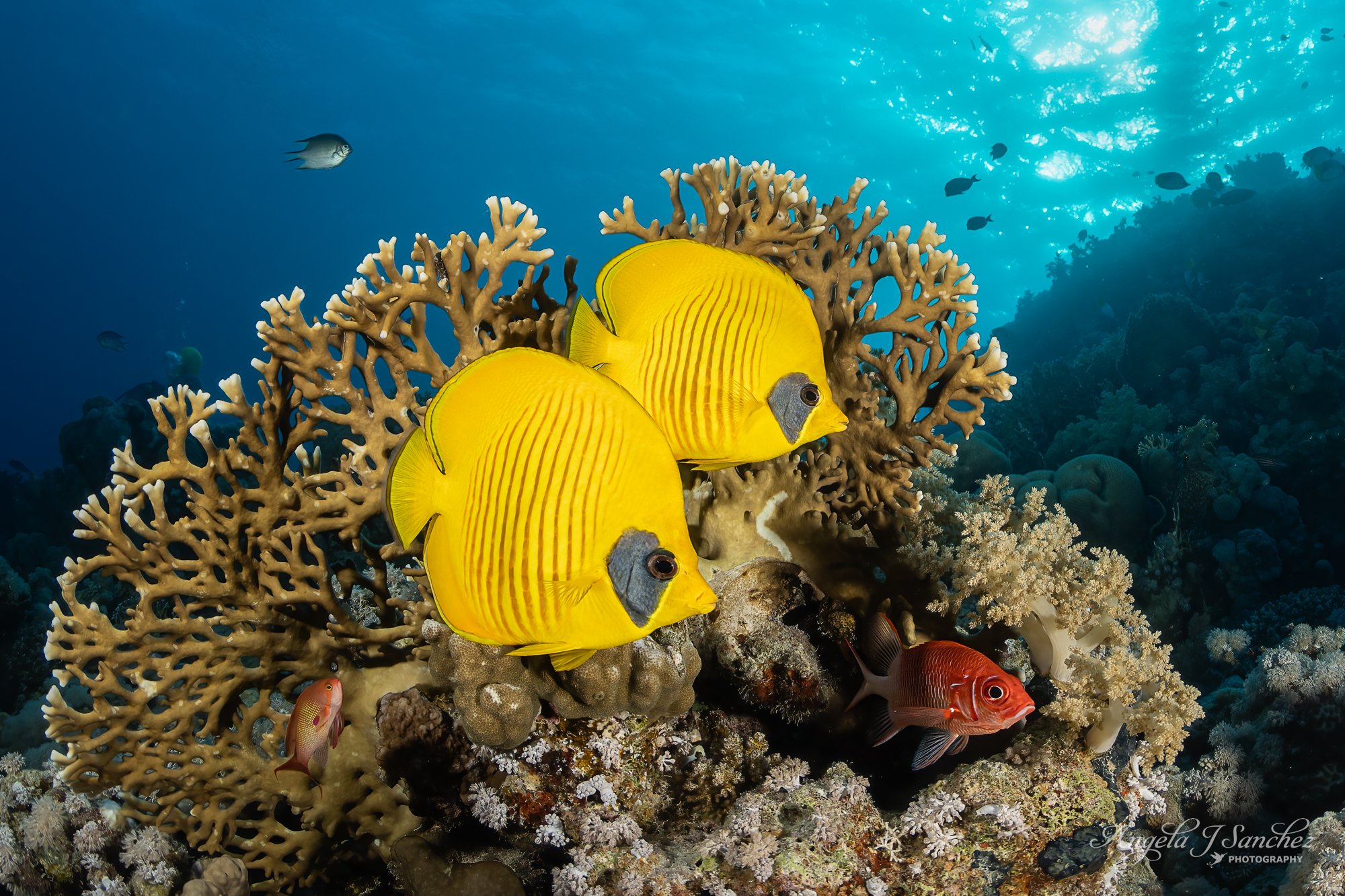
MASKED BUTTERFLYFISH AND A SQUIRRELFISH – Beacon Rock
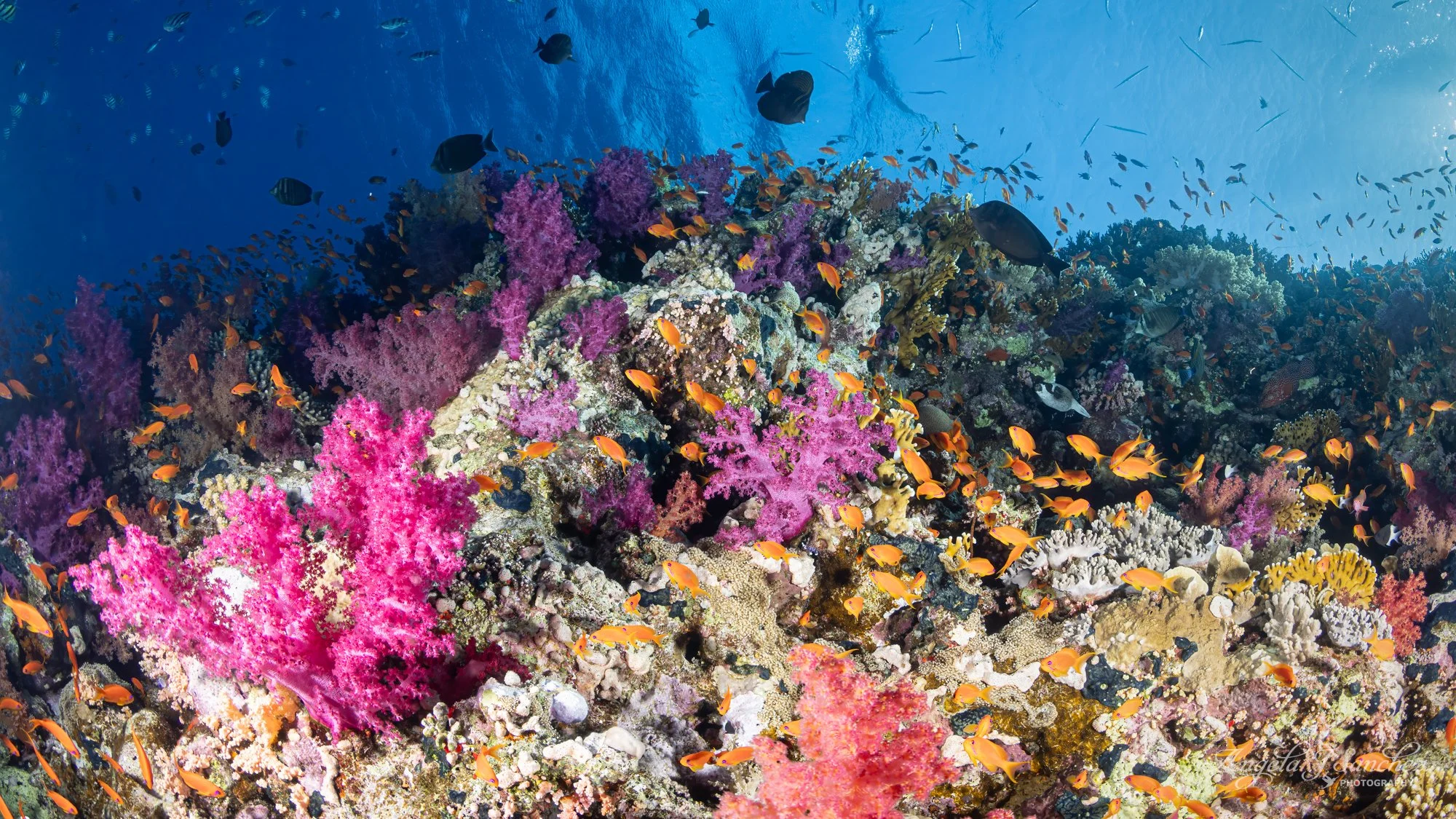
ANTHIAS IN SOFT CORAL – Shark and Yolanda Reefs, Ras Mohammed National Park
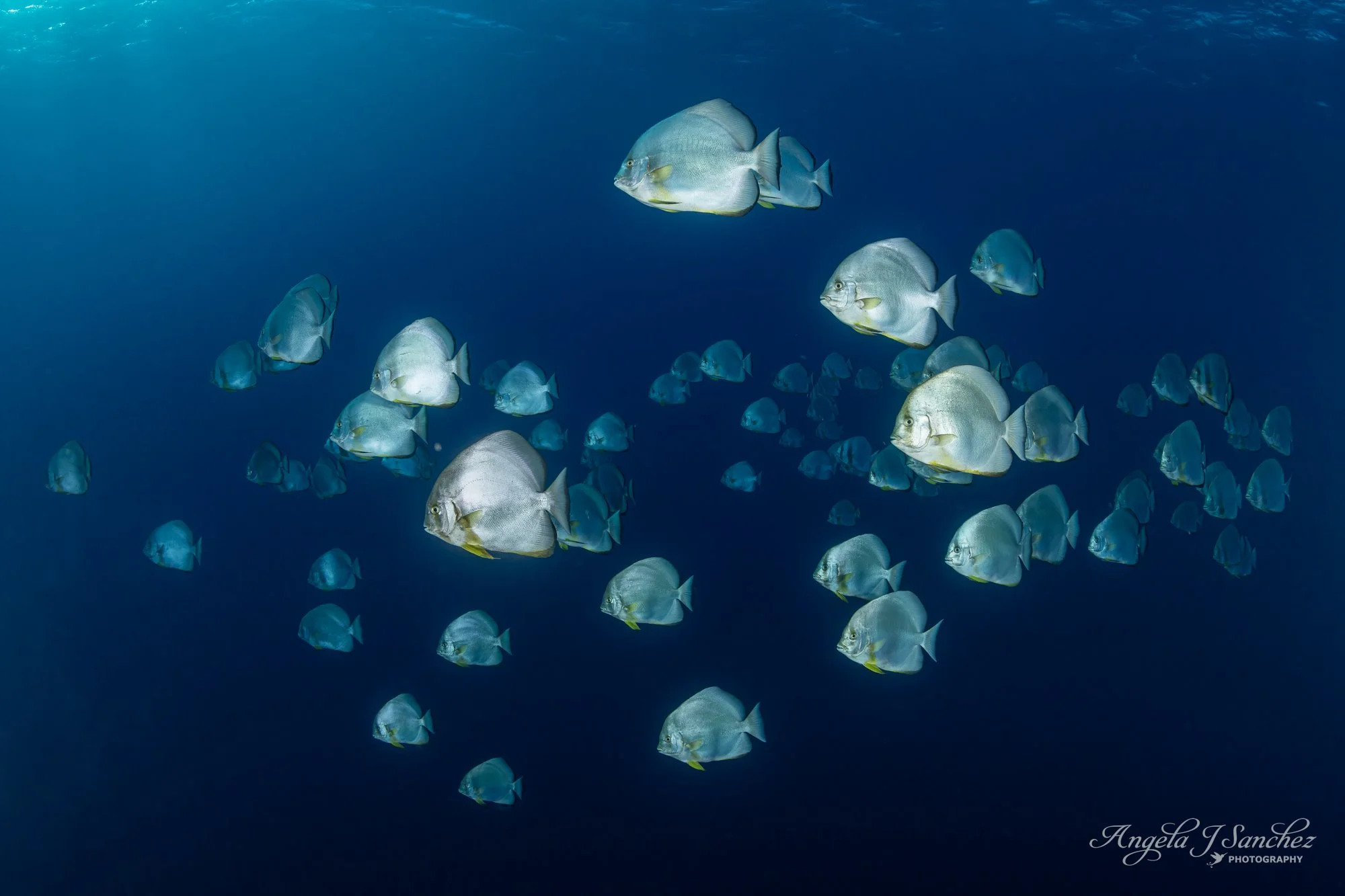
BATFISH - Shark and Yolanda Reefs, Ras Mohammed National Park
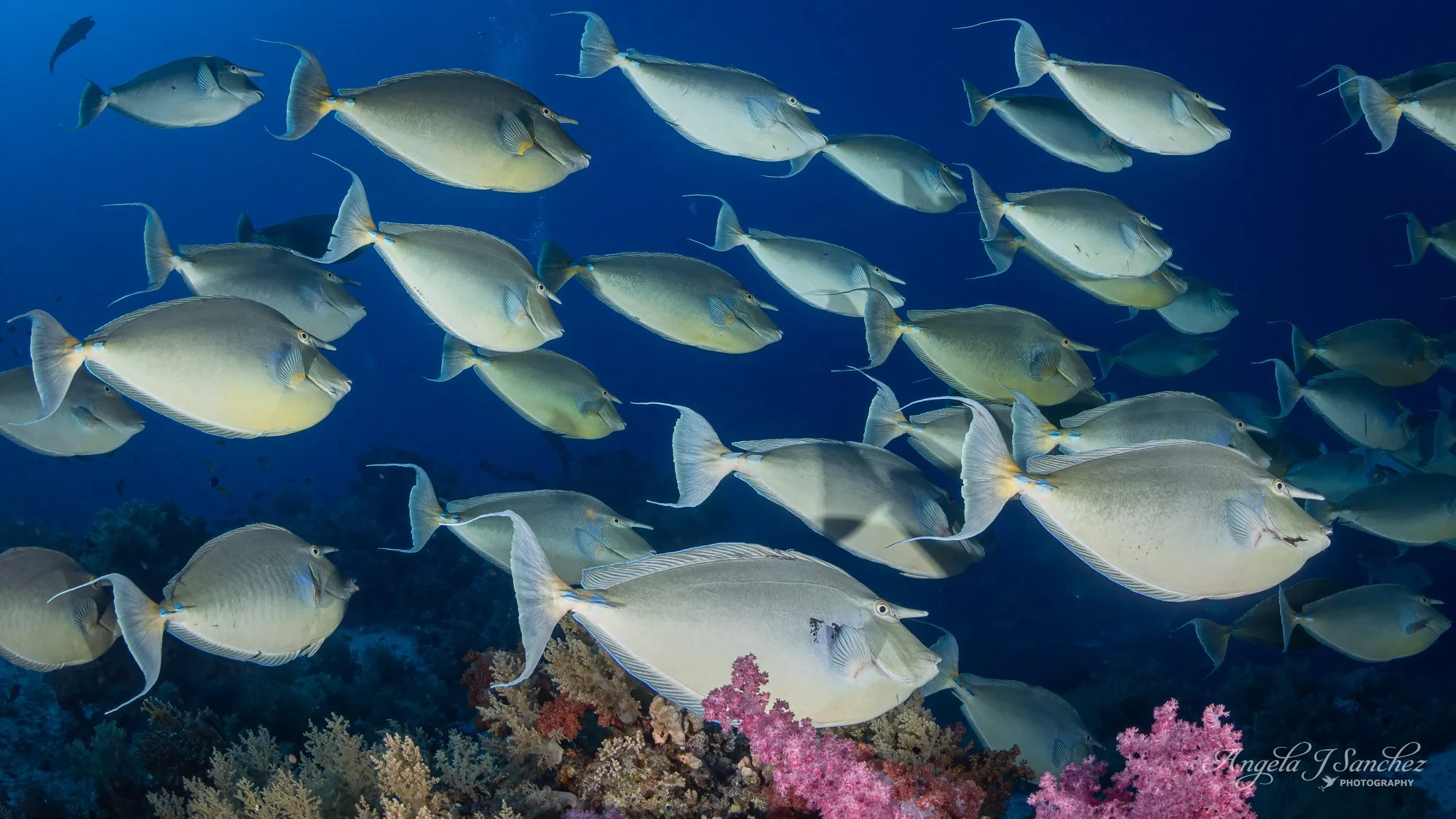
UNICORNFISH - Shark and Yolanda Reefs, Ras Mohammed National Park
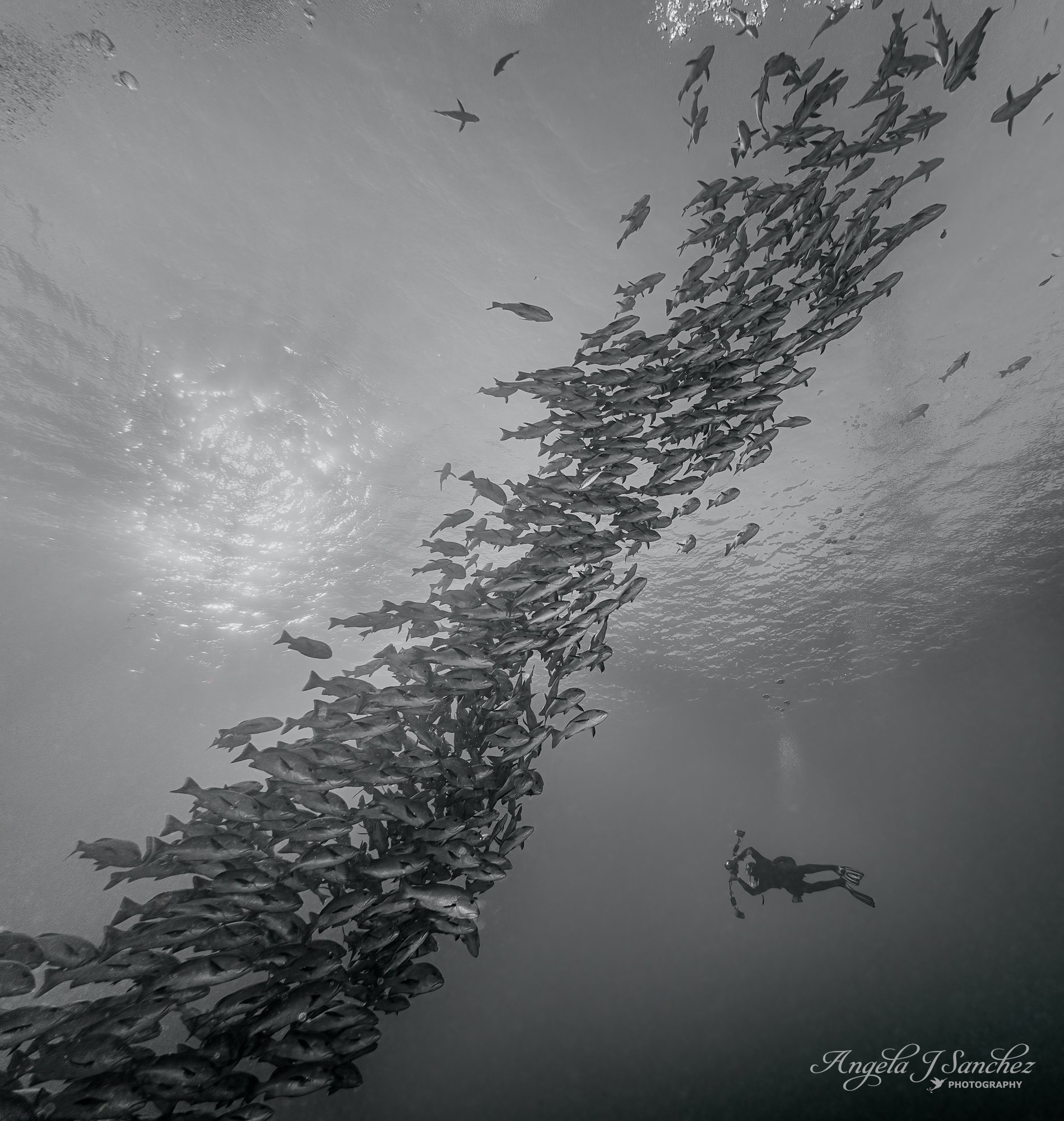
SNAPPER - Shark and Yolanda Reefs, Ras Mohammed National Park
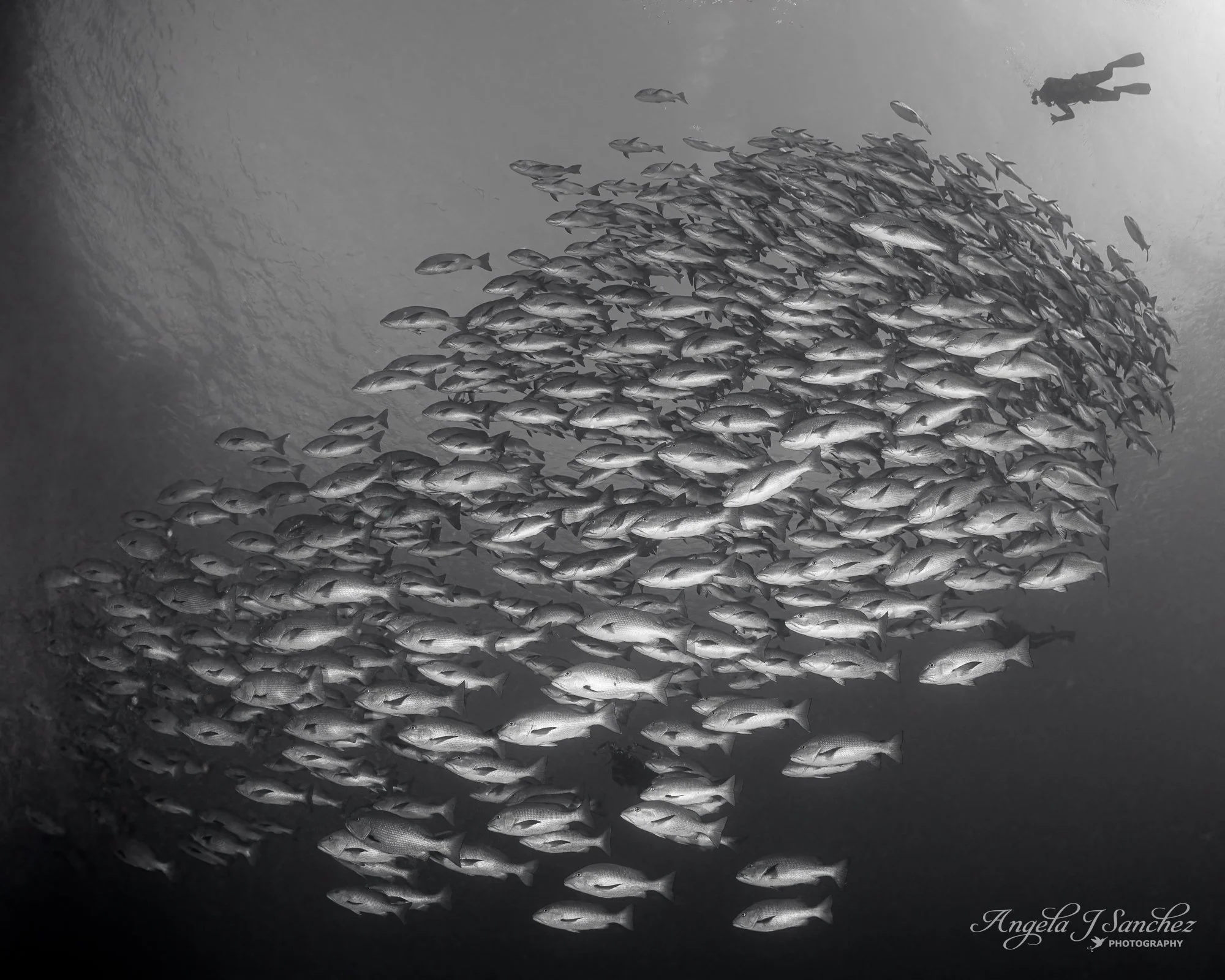
SNAPPER - Shark and Yolanda Reefs, Ras Mohammed National Park
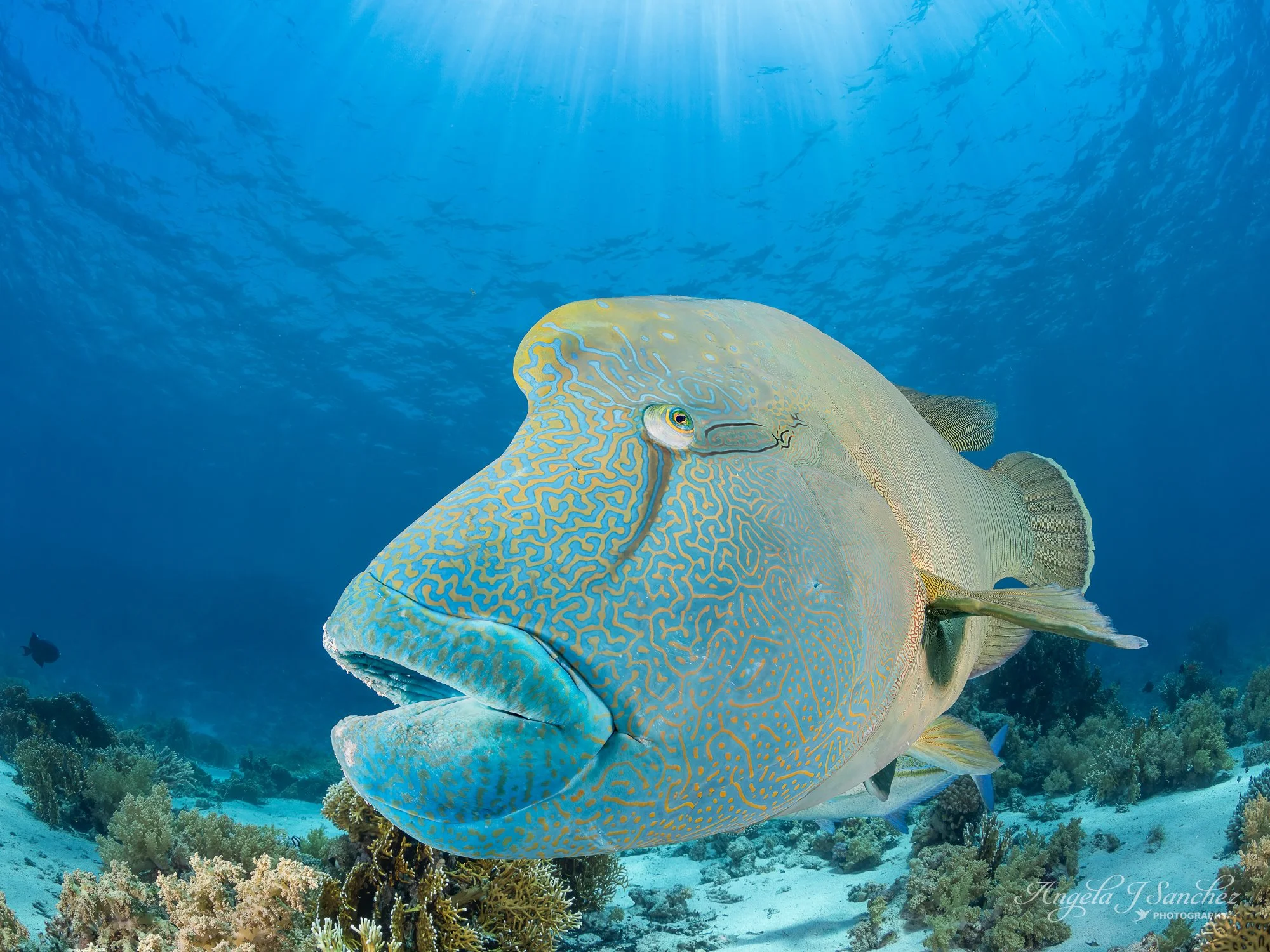
NAPOLEON WRASSE - A special close-up encounter with a Napoleon Wrasse at Shark and Yolanda Reefs in Ras Mohammed National Park. According the World Wildlife Find (WWF), the Napoleon Wrasse (also known as the Humphead Wrasse) can grow to 6 feet and more than 400 pounds. It is classified as Endangered due to practices such as overfishing. The Napoleon Wrasse is important to coral reef health as they eat and maintain populations of Crown-of-Thorn starfish which is a damaging coral reef predator.
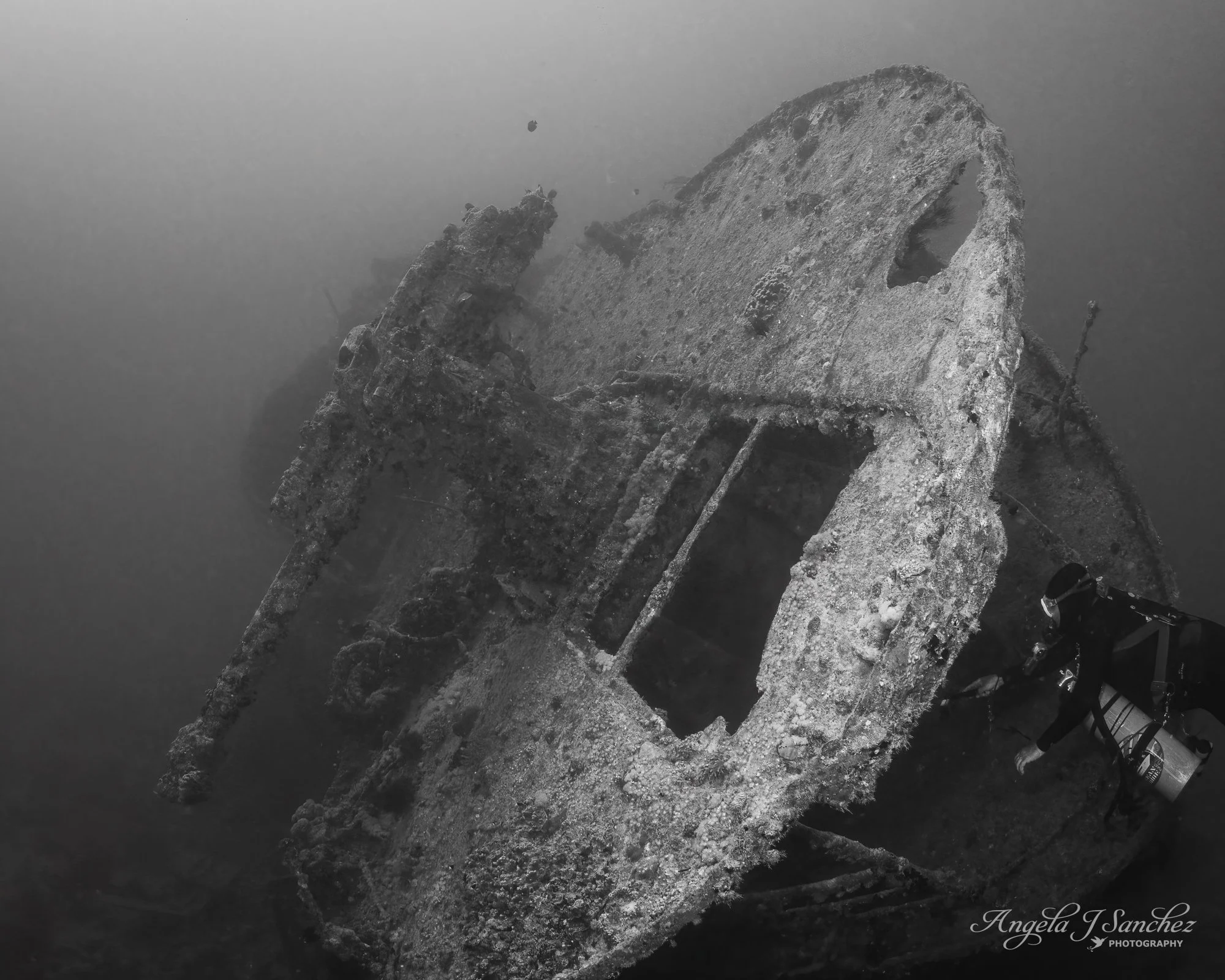
THE SS THISTLEGORM WRECK – The SS Thistlegorm was a British steamship that had departed from Glasgow, Scotland and was heading to Alexandria, Egypt to supply British troops with equipment during World War II. It was bombed and sunk by German aircraft on October 6, 1941 and now lies at the bottom of the Red Sea off the southwestern coast of the Sinai Peninsula. It is now an underwater museum representing a significant era in our world’s history. It was hard not to be transported back in time while swimming among the historical cargo and relics such as trucks, motorcycles, Wellington boots, anti-aircraft guns on the stern, and bathtubs used by the Captain and crew. I also felt an eerie sense of sadness thinking about the 9 men who lost their lives. It was definitely a very profound experience. This image shows the stern with an anti-aircraft machine gun.
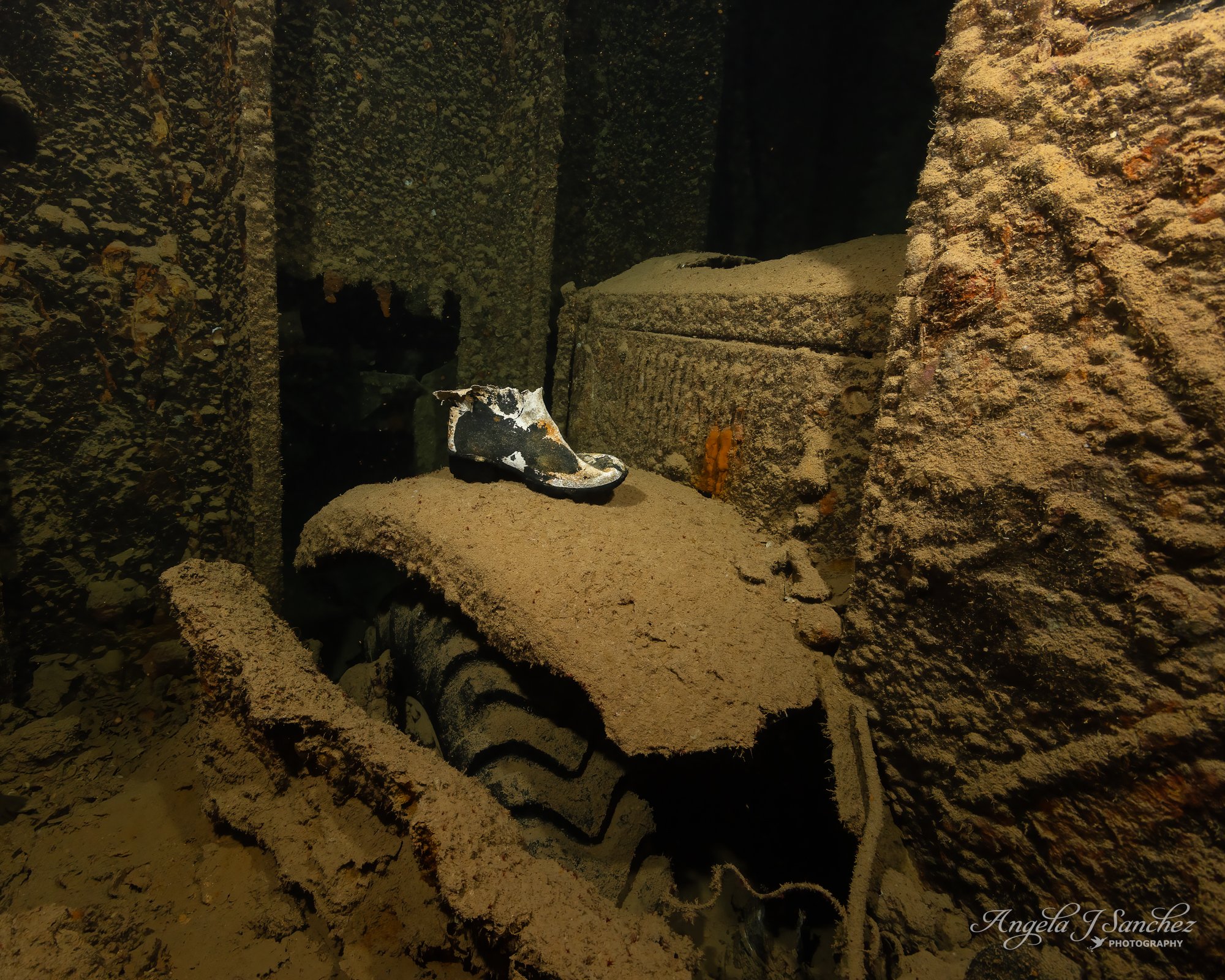
SS THISTLEGORM CARGO – The SS Thistlegorm was a British steamship that had departed from Glasgow, Scotland and was heading to Alexandria, Egypt to supply British troops with equipment during World War II. It was bombed and sunk by German aircraft on October 6, 1941 and now lies at the bottom of the Red Sea off the southwestern coast of the Sinai Peninsula. It is now an underwater museum representing a significant era in our world’s history, carrying historical cargo to supply the troops such as military vehicles and Wellington boots.
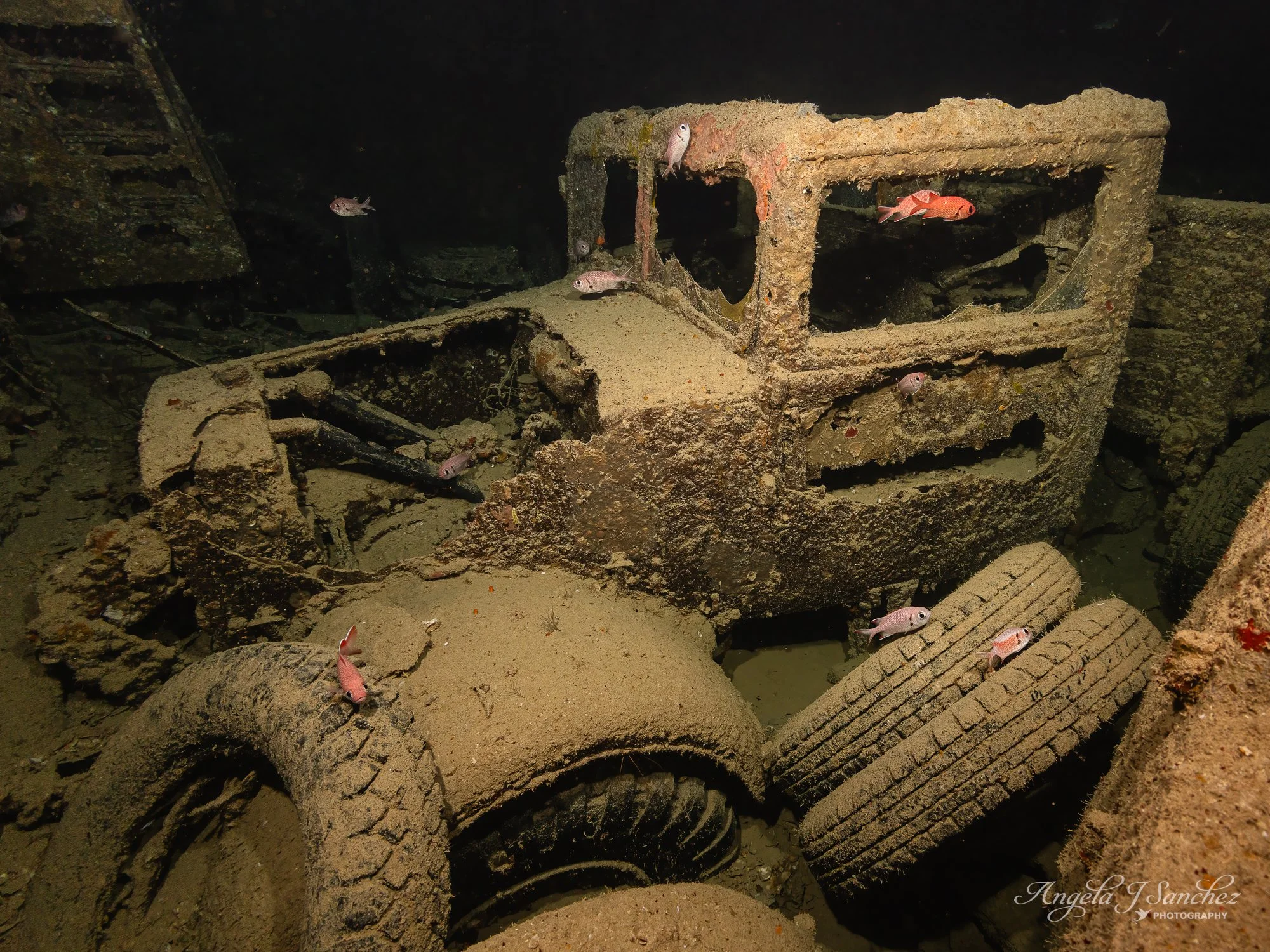
MILITARY TRUCKS – The SS Thistlegorm was a British steamship that had departed from Glasgow, Scotland and was heading to Alexandria, Egypt to supply British troops with equipment during World War II. It was bombed and sunk by German aircraft on October 6, 1941 and now lies at the bottom of the Red Sea off the southwestern coast of the Sinai Peninsula. It is now an underwater museum representing a significant era in our world’s history, carrying historical cargo to supply the troops such as military trucks.
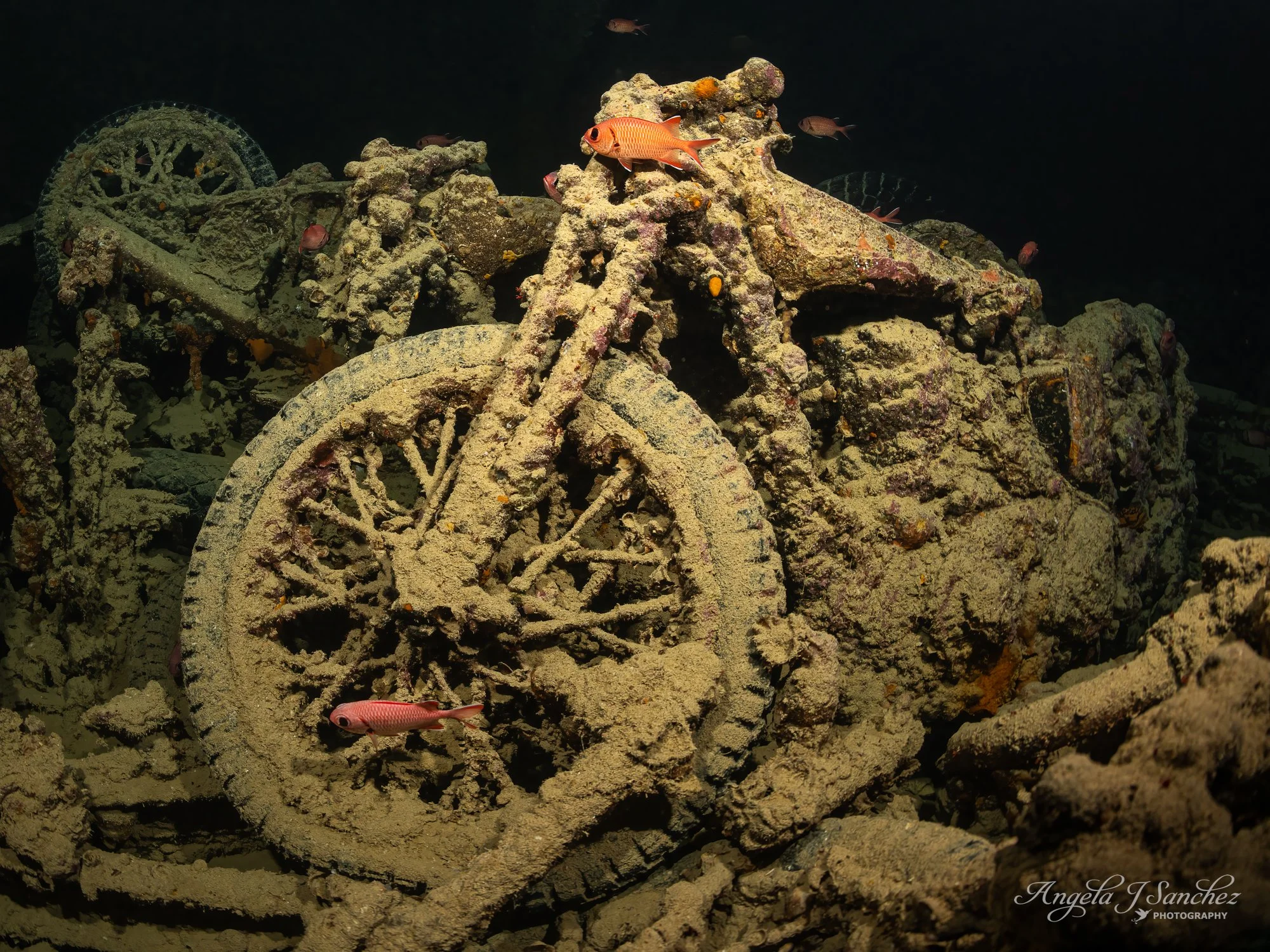
MOTORCYCLES AND SOLDIERFISH - The SS Thistlegorm was a British steamship that had departed from Glasgow, Scotland and was heading to Alexandria, Egypt to supply British troops with equipment during World War II. It was bombed and sunk by German aircraft on October 6, 1941 and now lies at the bottom of the Red Sea off the southwestern coast of the Sinai Peninsula. It is now an underwater museum representing a significant era in our world’s history, containing historical cargo to supply the troops such as Norton 16H and BSA motorcycles as well diverse marine life.
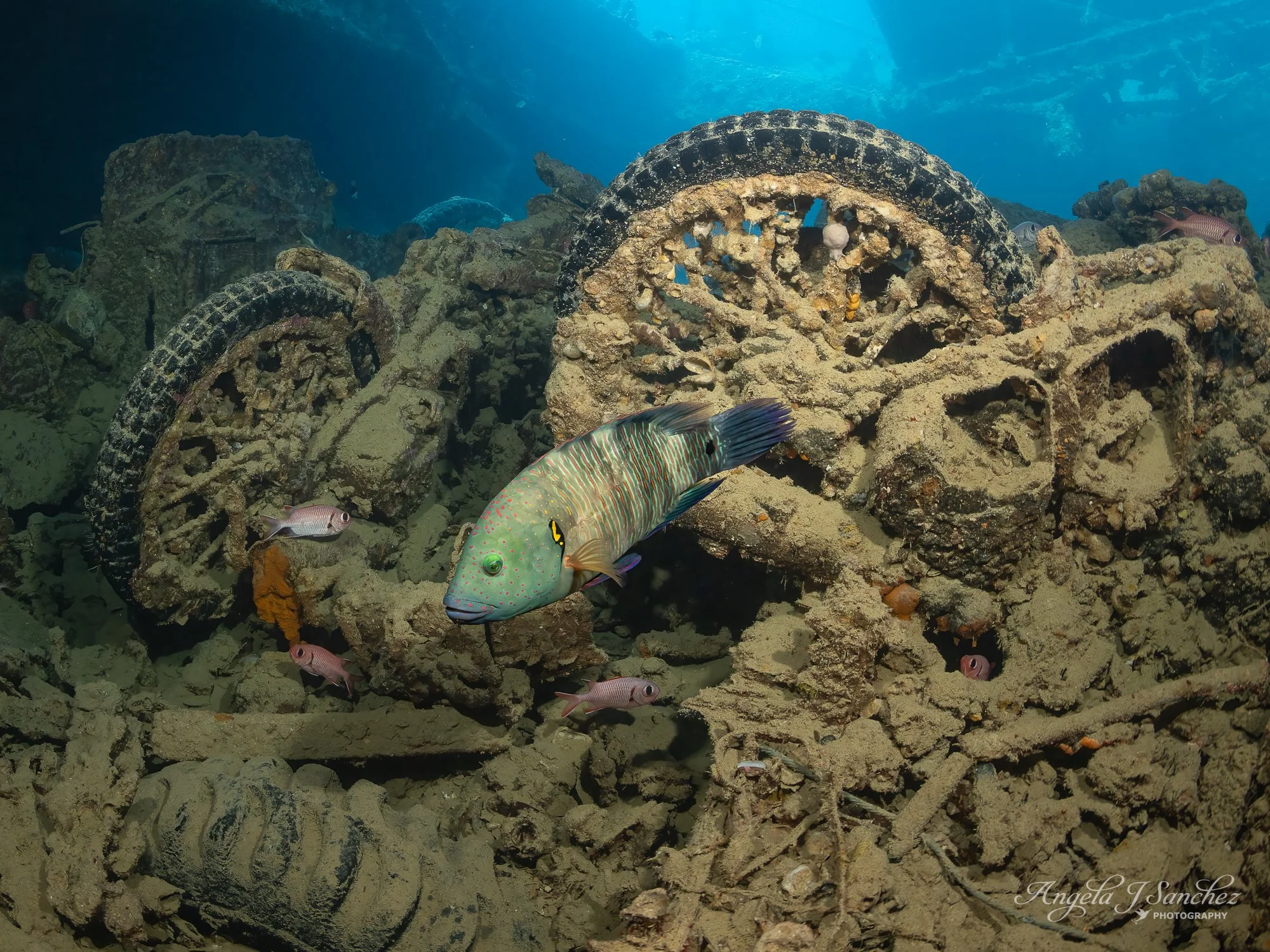
MOTORCYCLE REMNANTS AND BROOMTAIL WRASSE (FEMALE) - The SS Thistlegorm was a British steamship that had departed from Glasgow, Scotland and was heading to Alexandria, Egypt to supply British troops with equipment during World War II. It was bombed and sunk by German aircraft on October 6, 1941 and now lies at the bottom of the Red Sea off the southwestern coast of the Sinai Peninsula. It is now an underwater museum representing a significant era in our world’s history, containing historical cargo to supply the troops such as Norton 16H and BSA motorcycles as well diverse marine life.
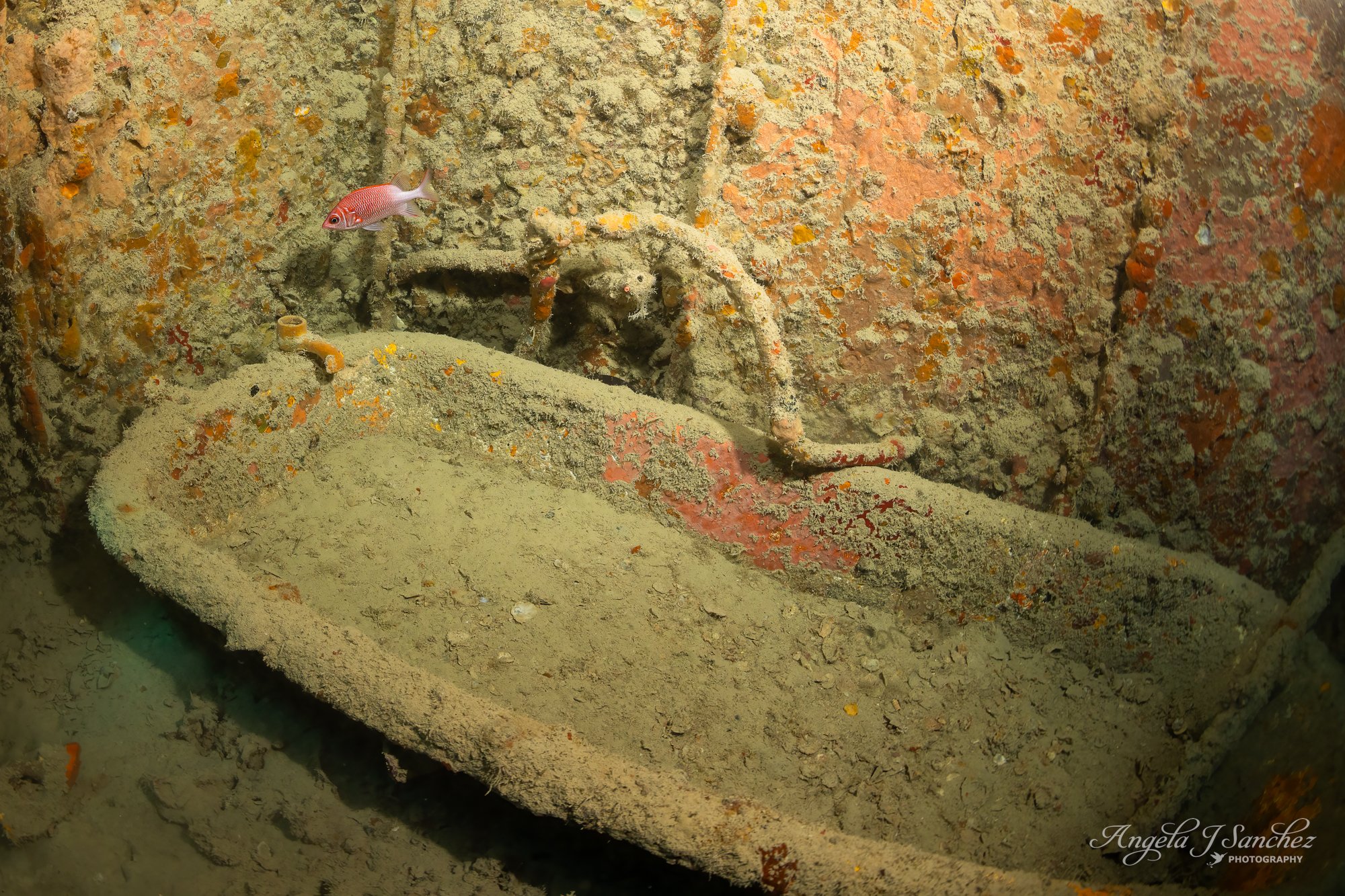
THE CAPTAIN’S BATHTUB AND SQUIRRELFISH - The SS Thistlegorm was a British steamship that had departed from Glasgow, Scotland and was heading to Alexandria, Egypt to supply British troops with equipment during World War II. It was bombed and sunk by German aircraft on October 6, 1941 and now lies at the bottom of the Red Sea off the southwestern coast of the Sinai Peninsula. It is now an underwater museum representing a significant era in our world’s history, containing historical relics such as the captain’s bathtub as well diverse marine life.
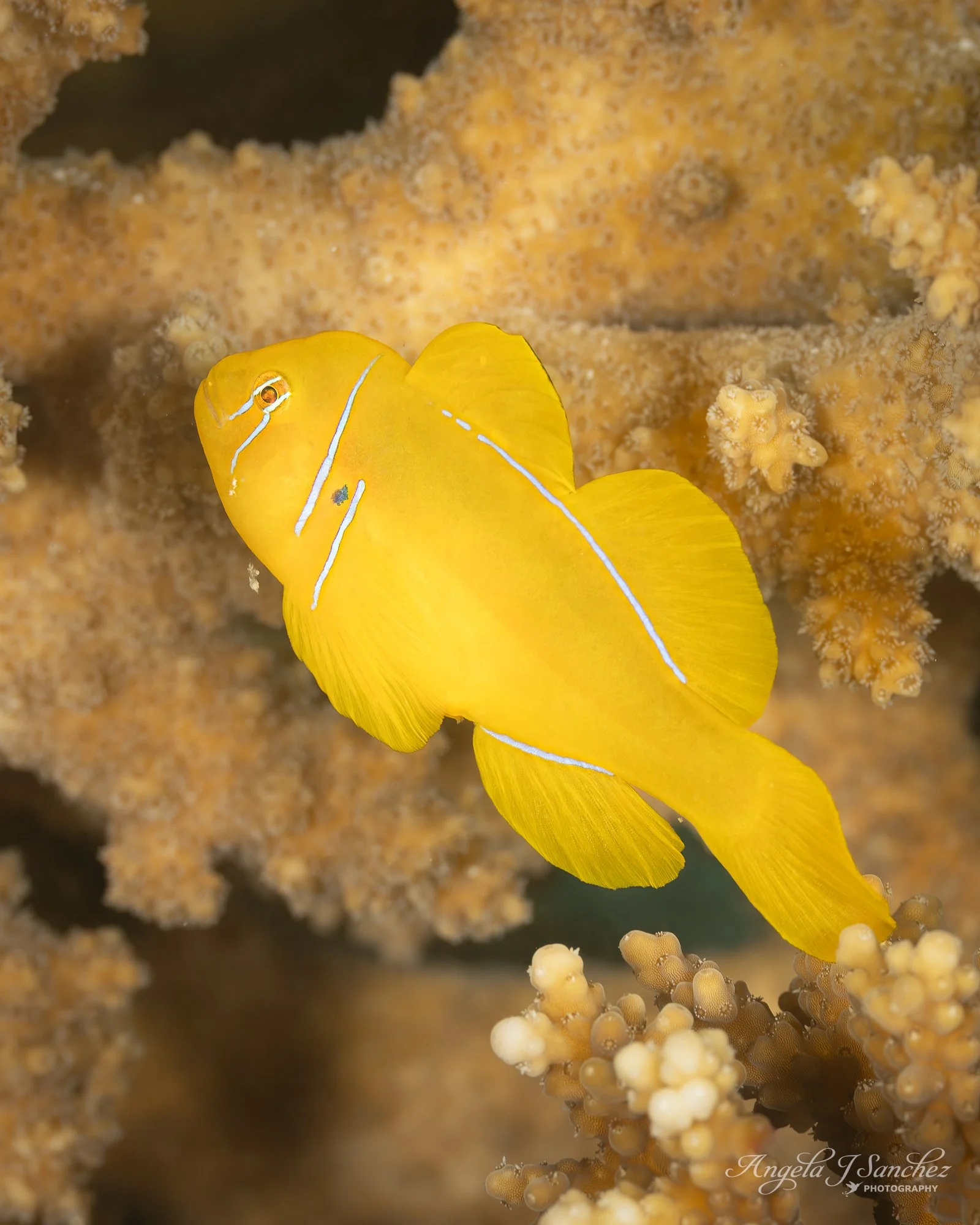
LEMON GOBY -Near Small Gubal Island
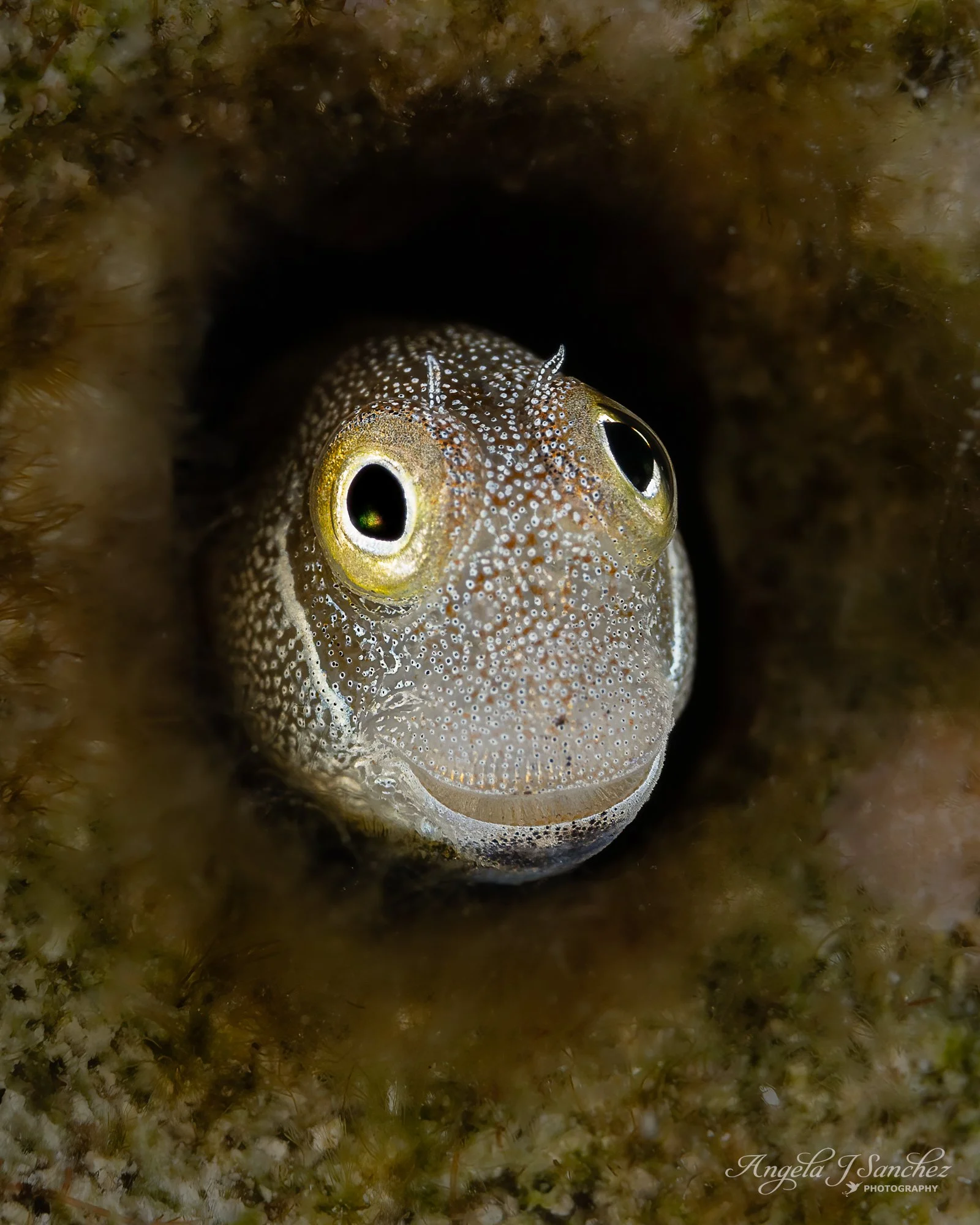
A VERY TINY BLUEBELLY BLENNY - Near Small Gubal Island